
A Look Back At 2025
Preposition, response, recovery and rebuild, California’s core resilience elements were tested by various emergencies and disasters in 2025. While the intensity of each emergency varied, the State responded to each with urgency to ensure the safety of all Californians.
Throughout 2025, the California Governor’s Office of Emergency Services (Cal OES) worked with local, state and federal partners to coordinate resources to prepare for, respond to, and recover from emergencies and disasters.
Here is a monthly breakdown:
January
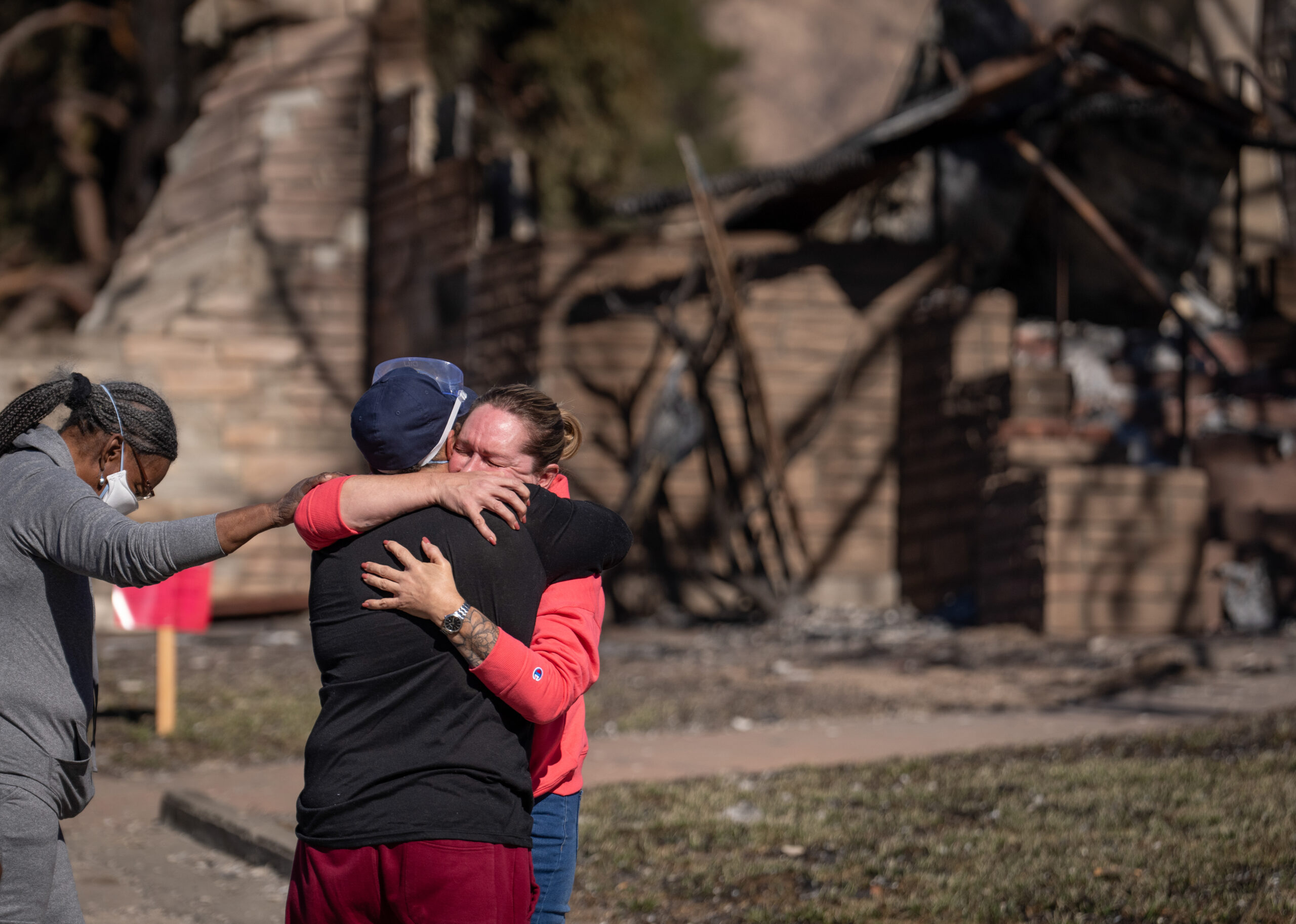
The year began with Cal OES pre-positioning firefighting and emergency resources across Southern California, ahead of forecasted fire weather. Several fires were sparked across Los Angeles, Ventura, San Bernardino, Riverside and San Diego counties. Palisades, Eaton and Hurst in Los Angeles County were among the largest fires in Southern California and burned at least 38,000 acres. Governor Gavin Newsom secured federal assistance and a Presidential Major Disaster Declaration, enabling the deployment of more than 7,500 firefighting and emergency personnel, and prompting the largest debris removal operation and watershed protection mission in the state’s history. Cal OES continued to strategically preposition resources ahead of continued fire weather, incoming storms and wet-weather risks in burn scar areas throughout the month.

February
In February, Cal OES continued both wildfire recovery and pre–positioning of critical resources, including swift water rescue teams, ahead of the forecasted statewide storms. A Joint Field Office (JFO) was established in Pasadena to boost the LA Wildfire recovery efforts. Over 630,000 feet of watershed protection material were placed in Eaton and Palisades burn scar areas to reduce the risk of mudslides and debris flow. Cal OES also led the state’s comprehensive “all-in” response to the Los Angeles wildfires and supported the federal government’s fastest-ever hazardous debris removal effort by cleaning up 9,000 properties in less than 30 days. Amidst the State’s response and recovery efforts, California extended its support beyond state lines by deploying aid personnel to assist with flooding impacts in Kentucky.

March
In March, Cal OES continued to pre-position critical emergency resources, including Urban Search and Rescue teams, in anticipation of the multiple storms forecasted to impact the entire state during the month. The state continued to support LA fire recovery efforts, marking the fastest major wildfire cleanup in U.S. history, prioritizing FEMA funding assistance for housing and other needs for over 30,000 households, and securing more than $2 billion in federal aid to support survivors. March also saw Cal OES focus on strengthening community resilience, with the allocation of grants to safeguard 347 community groups from violence, the signing of an executive order to rebuild LA safer and faster, and conducting statewide outreach during Tsunami Preparedness Week.
April
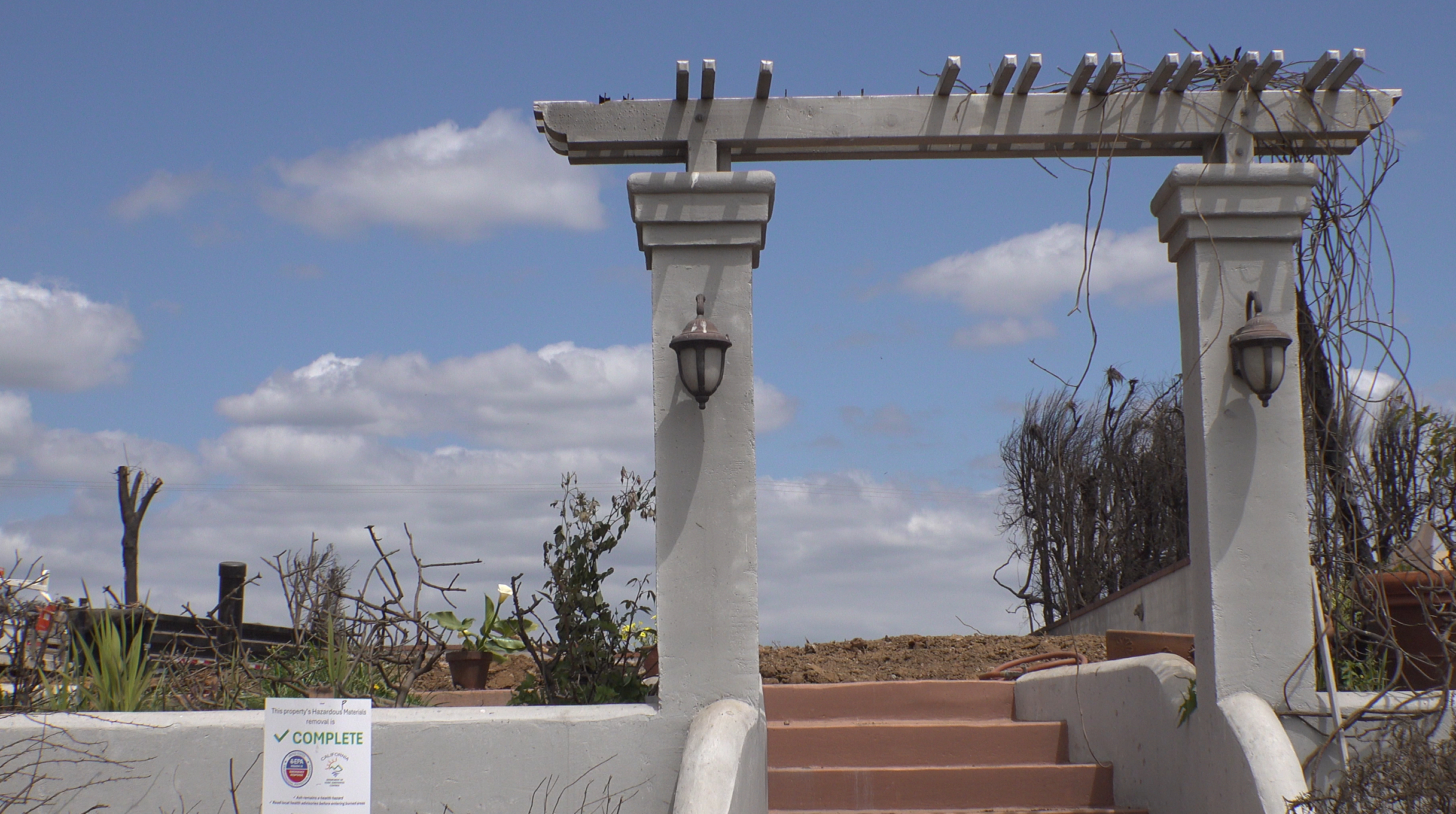
April marked 100 days since the LA wildfires. The month saw the reopening of the Palisades Charter High School, alongside progress ahead of schedule on infrastructure repairs. The state accelerated rebuilding through streamlined permitting of a new AI-powered tool designed to speed recovery and wildfire safety projects. California also launched an online permitting process to advance critical wildfire safety projects such as hardening homes and creating defensible space. As a 5.2 magnitude earthquake struck San Diego, millions of Southern Californians were alerted by the state’s Earthquake Early Warning System ahead of the shaking, and the MyShake App surpassed four million downloads.
May
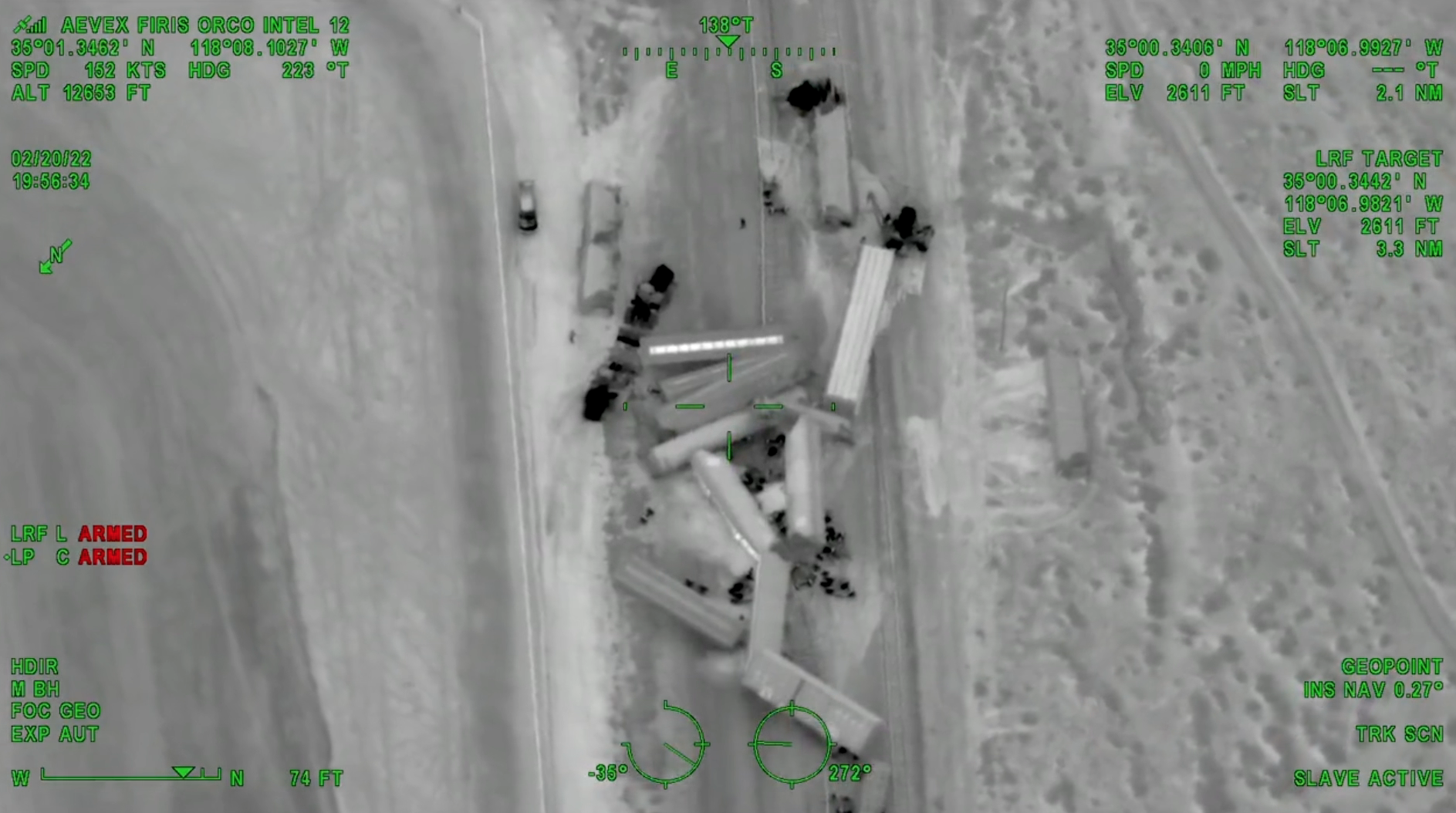
In May, California transitioned into summer preparedness. Starting with Wildfire Preparedness Week, Cal OES leveraged the new Fire Integrated Real-Time Intelligence System (FIRIS) to strengthen California’s Fire and Rescue Mutual Aid System with real-time updates. Of the $1.7 billion invested in California’s highway system, $86.5 million was allocated to repair vital infrastructure damaged during the Los Angeles wildfires. New milestones were achieved in the LA recovery efforts as over 5,000 properties across the Eaton and Palisades burn areas were cleared of ash and fire debris, and the Pacific Coast Highway reopened ahead of schedule. As temperatures climbed, the state also focused on extreme heat safety, investing $32 million into a lifesaving heat-ranking tool to help 47 communities prepare for extreme heat events.

June
In June, Governor Gavin Newsom issued an emergency proclamation to aid recovery efforts in Malibu following the December 2024 Franklin Fire. California continued supporting wildfire recovery with over $3 billion in federal assistance since the fires were declared. To assist disaster survivors across the state, including the LA fires, the governor announced new financial relief of $20,000 for eligible homeowners through the CalAssist Mortgage Fund. In anticipation of critical fire weather conditions, Cal OES pre-positioned firefighting resources across Los Angeles County to protect communities. Cal OES hosted an Australian emergency management delegation to strengthen international partnerships in wildfire preparedness, response and recovery. As part of National Gun Violence Awareness month, Cal OES led the Reduce the Risk campaign. Cal OES also recognized June as National Pride Month and National Pet Preparedness Month, continuing its advocacy for equality and ensuring inclusivity in its preparedness plans, respectively.
July
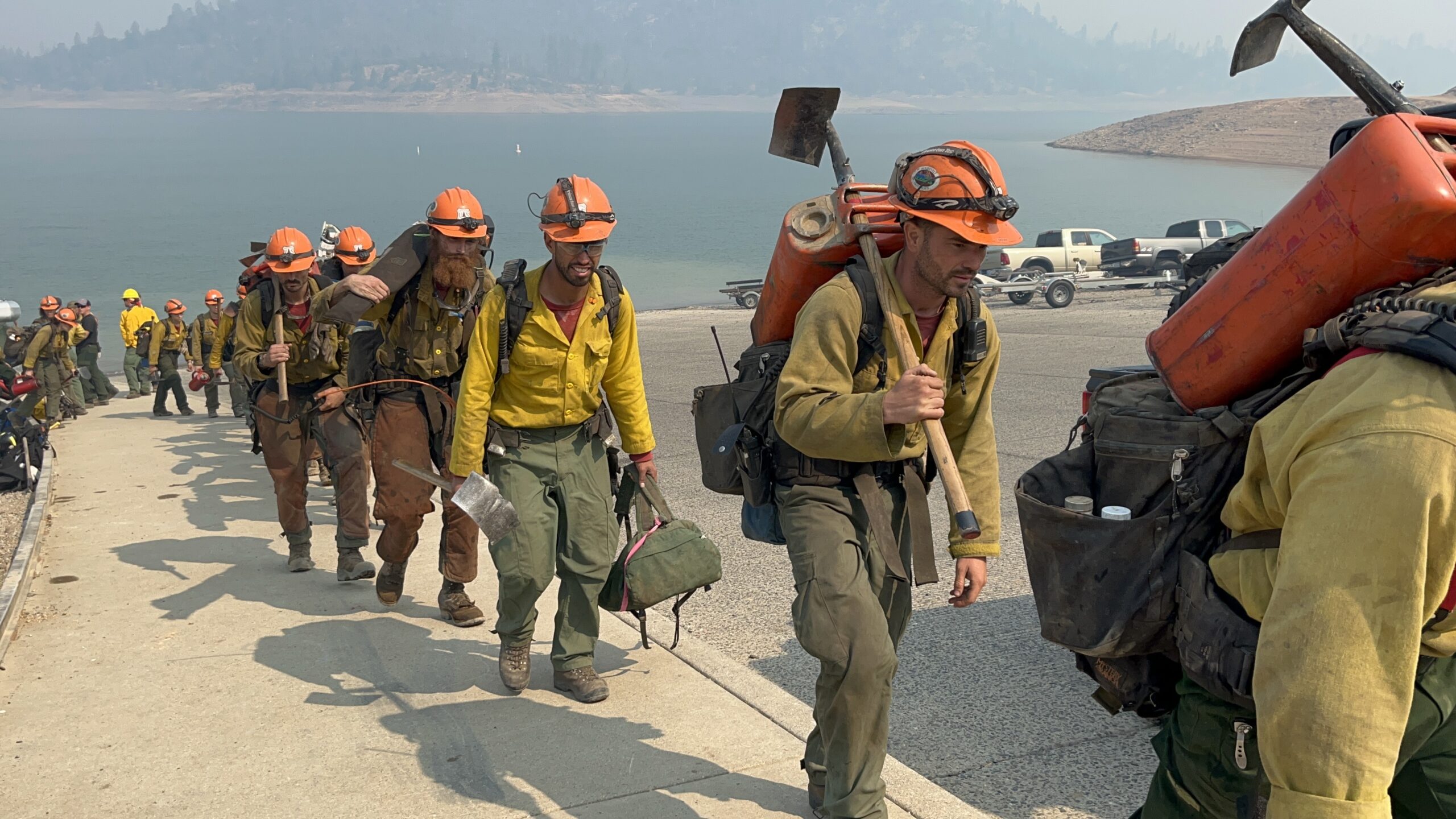
In July, Cal OES pre-positioned firefighting resources across Northern California, including Plumas, Nevada and Sierra counties as critical fire weather threatened parts of the state. In a first for California, Cal OES coordinated the deployment of boats to assist with battling the Green Fire at Shasta Lake. Amidst the devastating floods in Texas, California deployed Urban Search and Rescue task force personnel to the state to support flood response and recovery efforts. At home, recovery support continued for disaster survivors through temporary housing assistance in partnership with FEMA. Governor Gavin Newsom issued an emergency proclamation to support Humboldt, Mendocino, Modoc, Napa, Shasta, Sonoma and Trinity Counties, to assist with recovery from the February 2025 storms. Governor Newsom also announced the launch of the new LA Rises public outreach campaign to further strengthen rebuilding efforts.
August
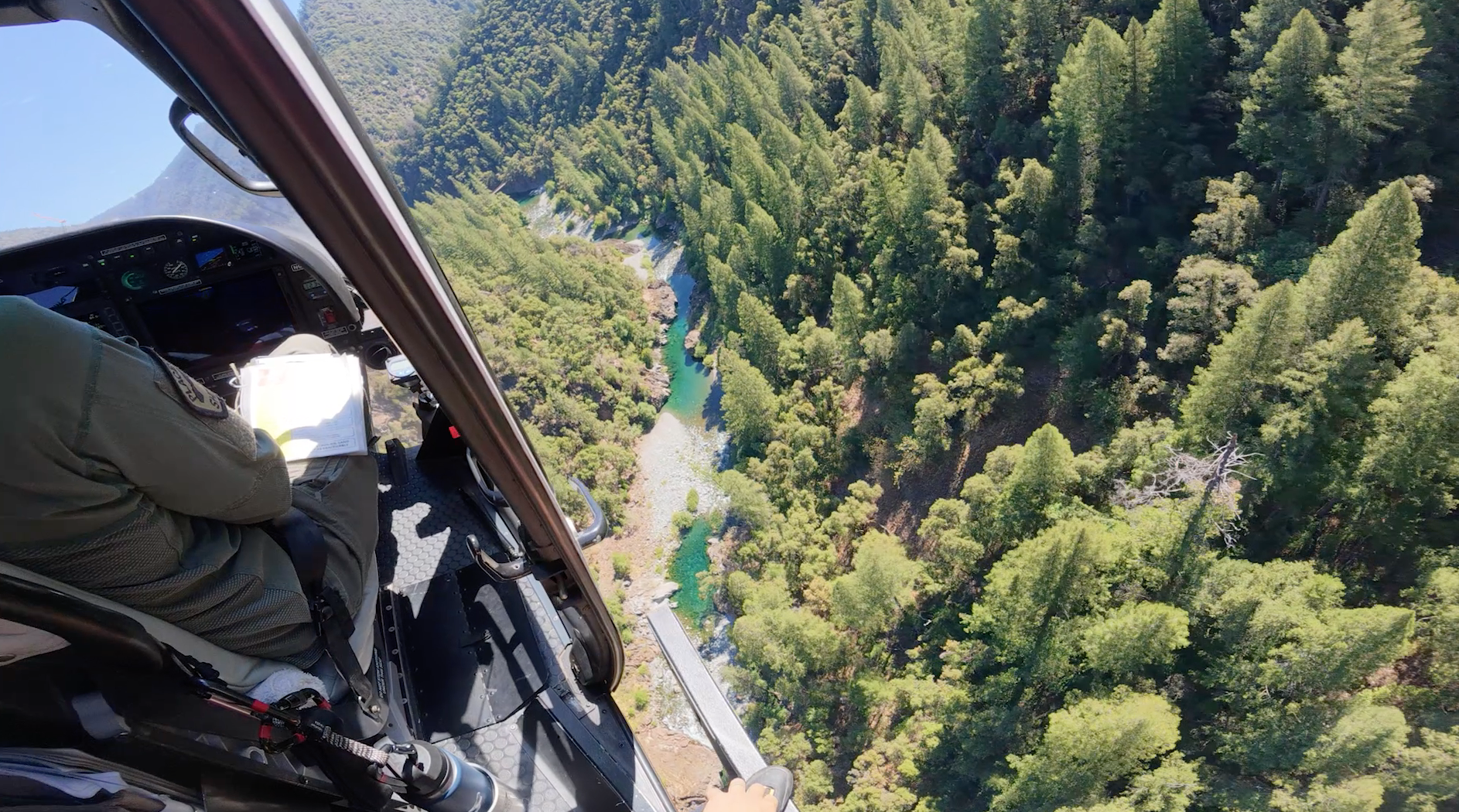
With the ignition of the Canyon Fire in early August, the state secured a Fire Management Assistance Grant (FMAG) from FEMA to help suppress the fire that had burned more than 4,000 acres. Governor Gavin Newsom directed Cal OES to pre-deploy additional firefighting resources across Los Angeles, San Diego, Inyo, Placer, Calaveras and Trinity counties, in response to red flag warnings. August’s heat risks prompted the state’s Extreme Temperature Response Plan and placed Cal OES’ State Operations Center on an enhanced watch posture for both heat and fire conditions. August concluded with the Governor convening the State Action for Facilitation on Encampments (SAFE) Task Force to clean up encampments on state-owned properties and connect unhoused individuals to shelter and resources, starting with actions in San Francisco.
September
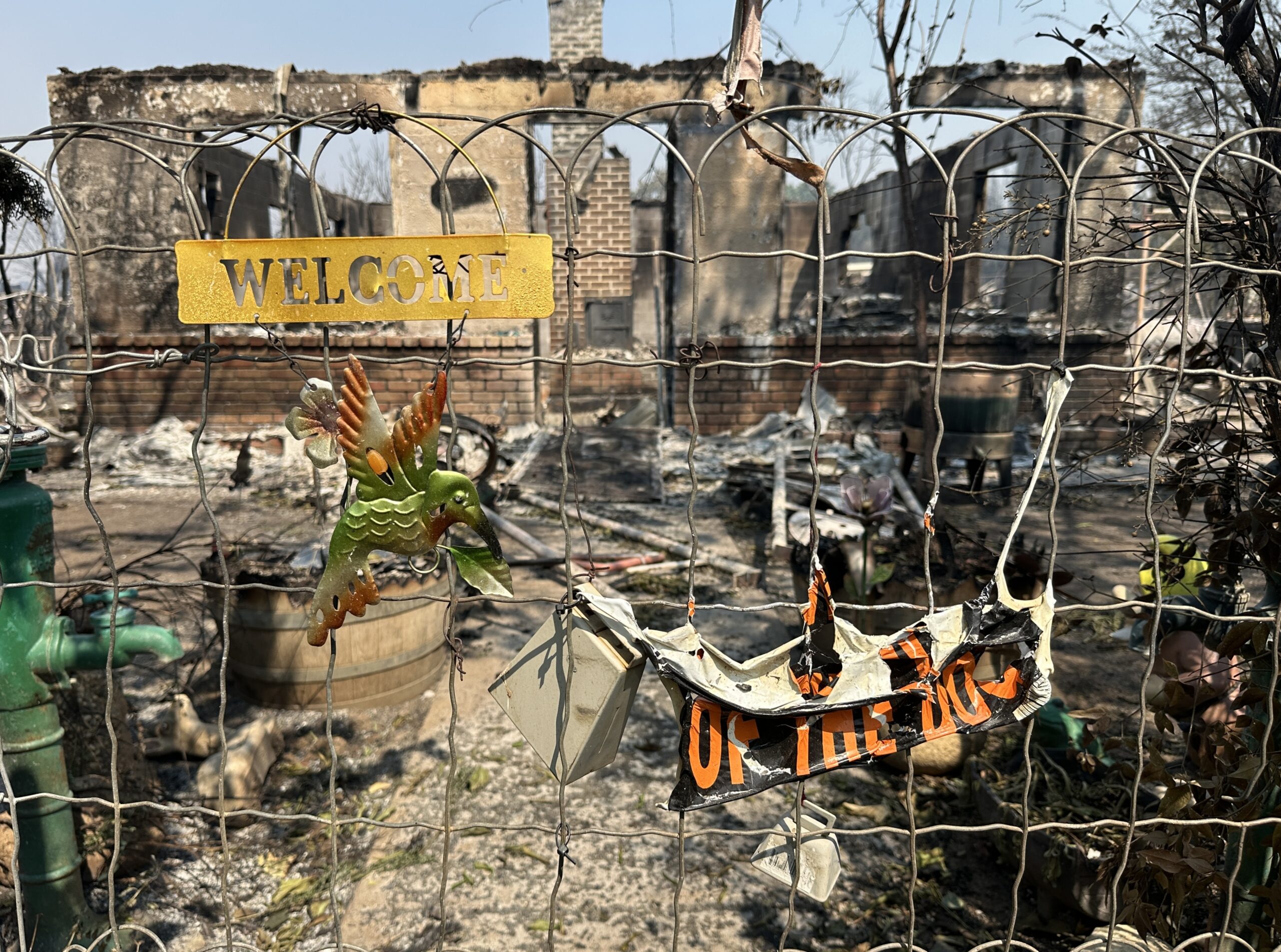
In early September, as fire threat increased due to dry lightning and shifting weather conditions, Cal OES pre-deployed firefighting resources to El Dorado, Nevada, Plumas, Sierra and Trinity counties, while also staging state resources in anticipation of heavy rain in parts of the state. Dry lightning sparked the TCU September Lightning Complex wildfire in the Sierra Nevada foothills, where it burned over 13,000 acres and damaged over 100 structures, including the historic town of Chinese Camp. Governor Gavin Newsom issued an emergency proclamation to support recovery in Calaveras and Tuolumne counties, while a Local Assistance Center opened in Tuolumne County to help those impacted by the TCU September Lightning Complex/6-5 Fire. Cal OES recognized September as National Preparedness Month, reminding Californians of all the ways to be prepared for an emergency or a disaster. Cal OES also supported the SAFE Task Force as it cleaned up encampments in Los Angeles.
October
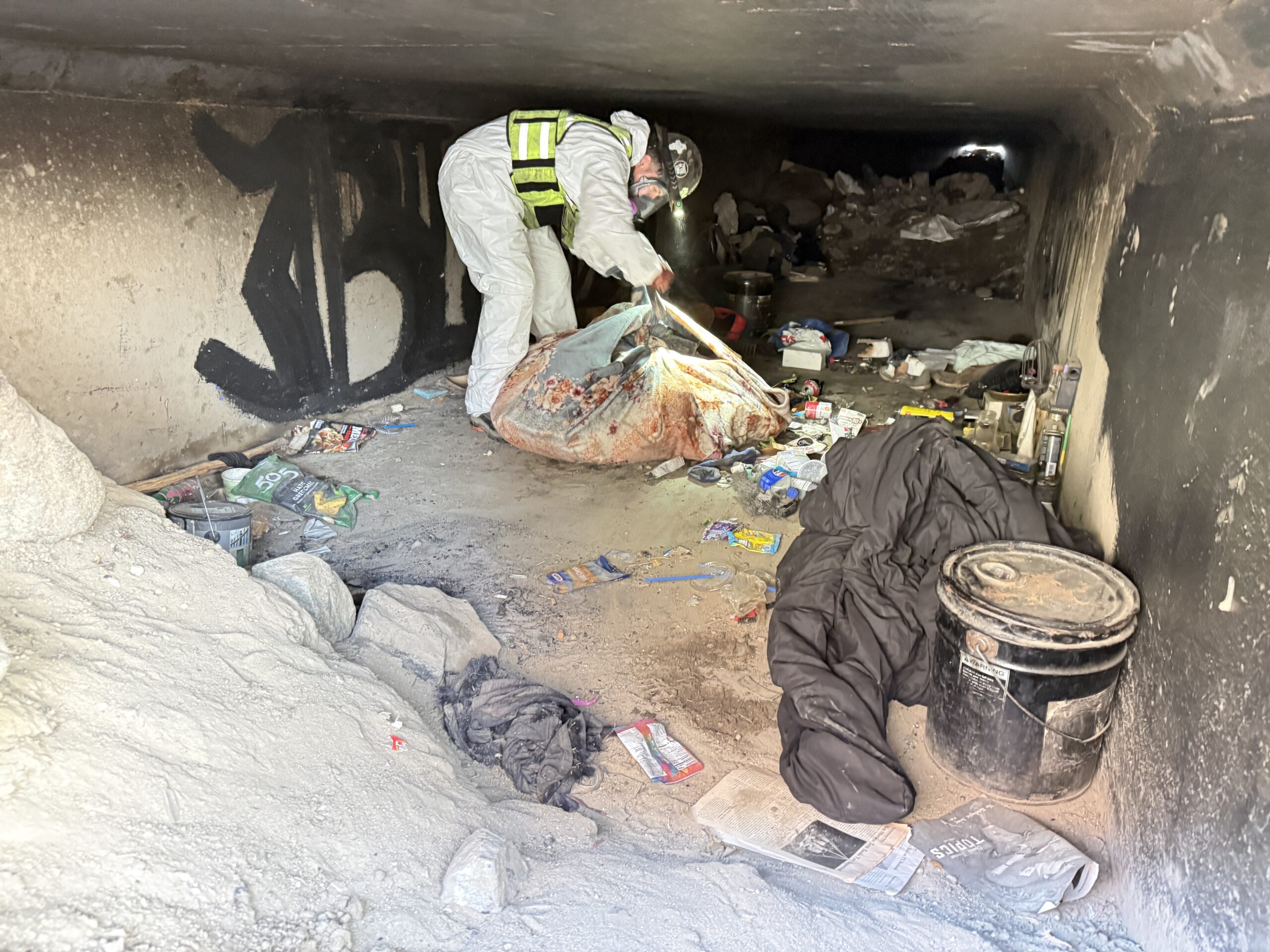
October marked a major month for preparedness in California. Alongside the recognition of Cybersecurity Awareness Month and Flood Preparedness Week, Cal OES pre-deployed resources as storms and fire weather threatened Southern California through the month. Recovery efforts for the TCU September Lightning Complex Fires included expanded access to federal assistance and the Small Business Administration disaster loans, and the Cal OES Watershed and Debris Flow Taskforce was in Tuolumne County, coordinating protective measures against toxic residue from the fires ahead of wet weather. Also in October, California broke ground on a new state-of-the-art regional emergency operations center in Southern California. Cal OES also made stops across four cities in California for the Great California ShakeOut Tour, allowing the public to experience a simulated earthquake. Beyond California, the state extended mutual aid by deploying resources to support communities in Arizona and Puerto Rico facing multiple hazards. The SAFE Task Force cleaned up encampments and helped unhoused individuals in Anaheim, Fresno and San Diego.
November
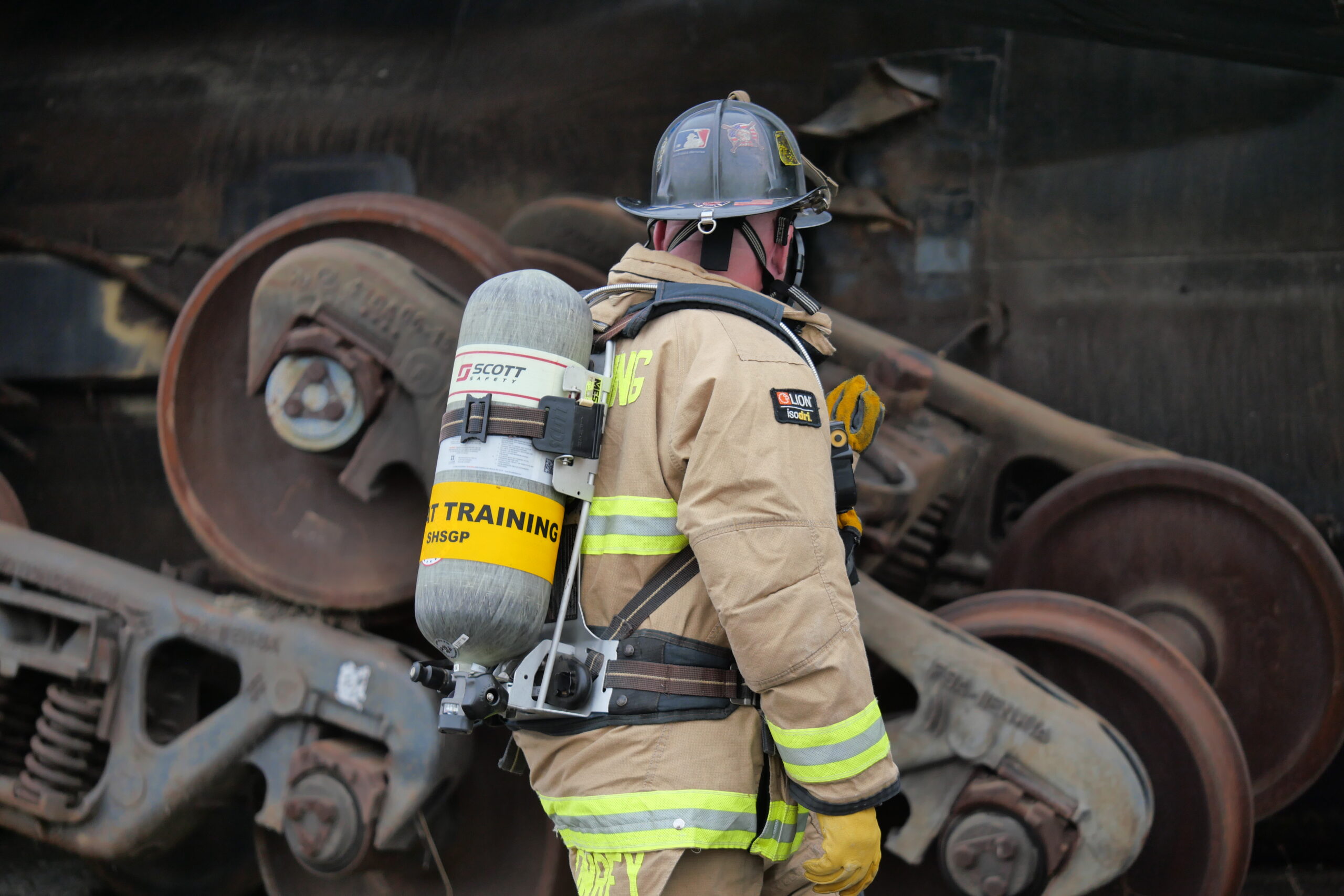
In November, Cal OES pre-deployed emergency resources across Northern and Southern California ahead of multiple storm systems. Recovery efforts continued in communities impacted by recent wildfires, including Cal OES requesting disaster declaration for Pickett Fire in Napa County, a Local Assistance Center opening for Mono County for residents affected by the Pack Fire, and Governor Newsom’s executive order to accelerate debris cleanup and rebuilding after the TCU Lightning Complex Fires. Cal OES also supported disaster response beyond California, pre–deploying resources to Alaska amid storms and sending more personnel to assist with recovery efforts. Cal OES collaborated with local partners to open a new hazardous materials training site in Roseville to improve derailment and incident response.
December
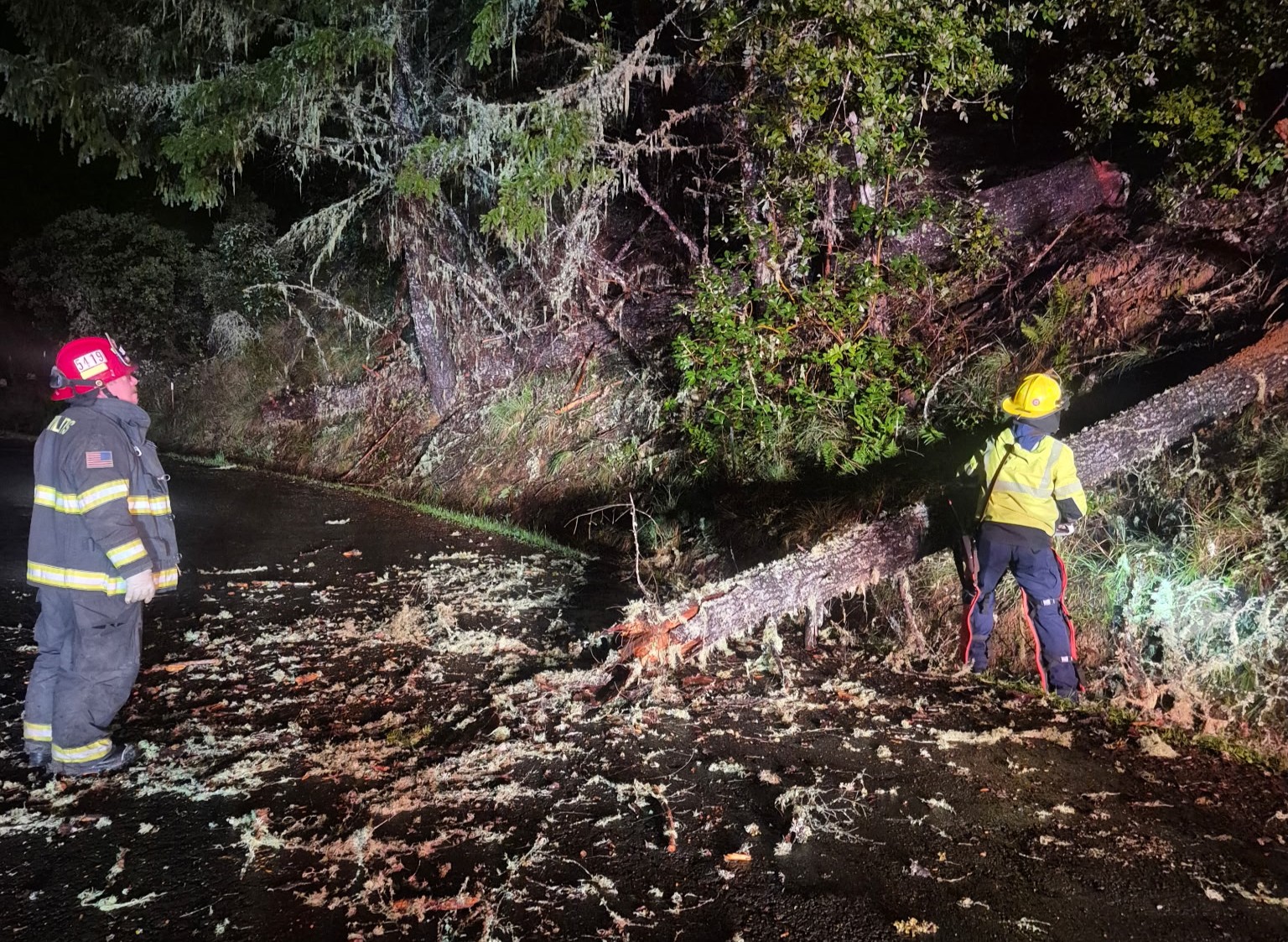
In December, Governor Gavin Newsom proclaimed a state of emergency in Mono County to support recovery efforts after the Pack Fire. Cal OES continued to support local partners with recovery work in Tuolumne County, with Phase II of debris removal underway in Chinese Camp, a major milestone in wildfire recovery efforts in the TCU September Lightning Complex/6-5 Fire. California sent mutual aid to Washington to support flood response efforts. The SAFE Task Force cleared homeless encampments along state-owned rights-of-way in Long Beach and Sacramento, advancing efforts to improve safety, connect unhoused individuals to services, and support community recovery. Late December storms prompted prepositioning of resources in 14 counties across the state. Governor Newsom proclaimed a state of emergency in Los Angeles, Orange, Riverside, San Bernardino, San Diego, and Shasta counties.